
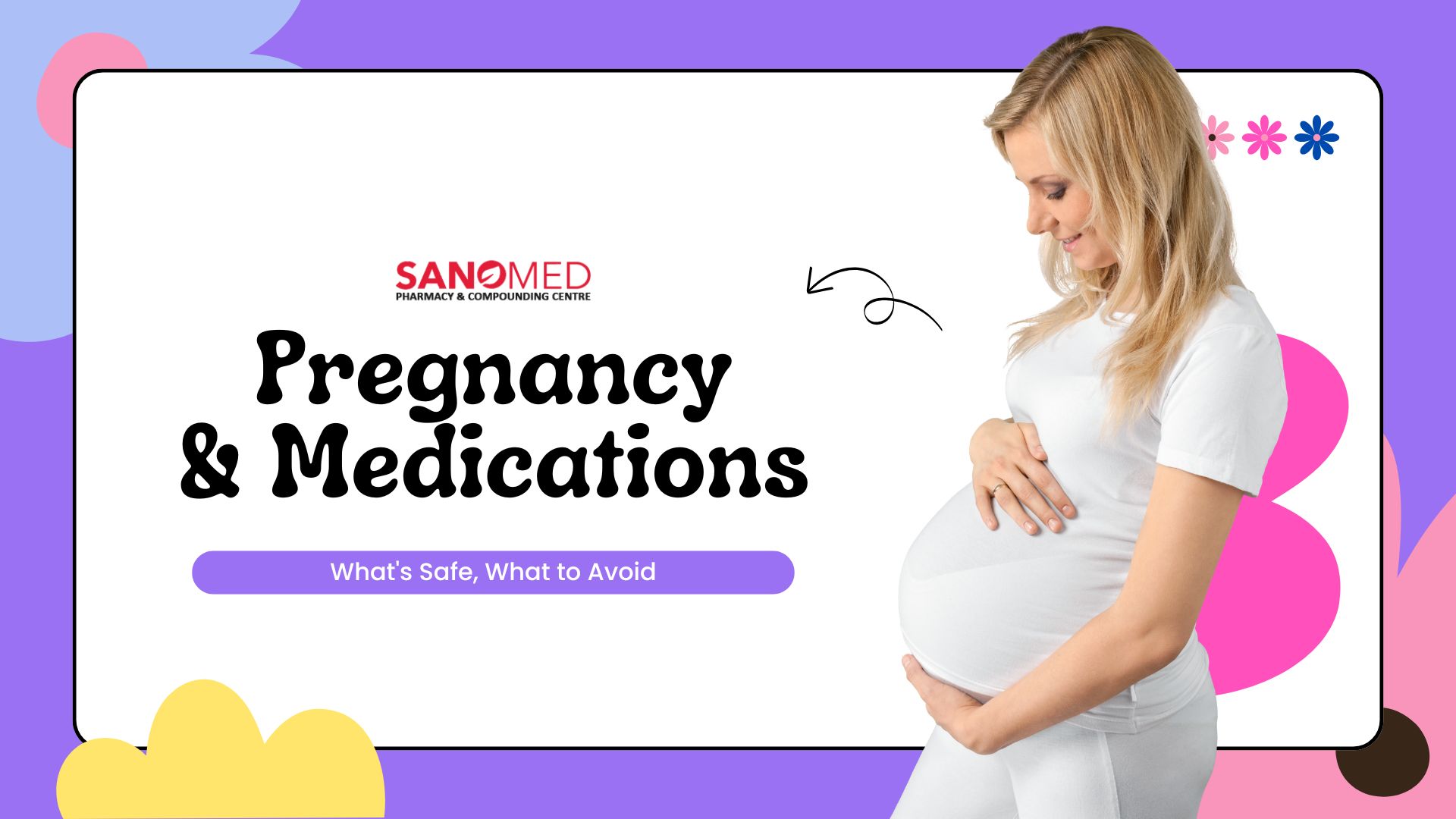
Finding out you’re pregnant brings excitement and a lot of questions. If you take medications for chronic conditions, occasional pain, or allergies, one of the biggest concerns is what’s safe to continue taking.
Medicine use during pregnancy is more common than many people realize. According to the CDC, about 9 in 10 women take some type of medicine during pregnancy, and 7 in 10 take at least one prescription medication. The challenge is that safety information is often limited; fewer than 10% of medicines approved since 1980 have enough data to determine their safety during pregnancy.
Understanding which medications are generally considered safe, which should be avoided, and when to talk to your pharmacist or healthcare provider can help you make informed decisions for you and your baby.
Pain and Fever Relief
Pain and fever are common concerns during pregnancy, and choosing the right medication matters.
Generally considered safe: Acetaminophen (Tylenol) has been used during pregnancy for decades and is widely recommended as the first-choice medication for pain and fever. Low-grade fevers generally don’t require medication, but high fevers should be discussed with your physician.
Avoid: NSAIDs (non-steroidal anti-inflammatory drugs) including ibuprofen (Advil, Motrin), naproxen (Aleve), and aspirin products. The FDA recommends avoiding NSAIDs at 20 weeks of pregnancy or later because they can cause serious kidney problems in the developing baby, leading to low amniotic fluid levels. This can result in complications requiring dialysis or even neonatal death in severe cases.
Cold, Flu, and Allergy Medications
Seasonal illnesses don’t pause for pregnancy. Here’s what’s typically considered safe:
Generally safe options: Loratadine (Claritin), cetirizine (Zyrtec), diphenhydramine (Benadryl), pseudoephedrine (Sudafed), dextromethorphan cough suppressants (Robitussin DM), and throat lozenges. Intranasal steroids like Flonase are also considered safe. The flu shot is safe and recommended at any stage of pregnancy.
Use caution: Multi-symptom cold medications often contain ingredients you don’t need. Always read labels carefully and ask your pharmacist to help you choose single-ingredient products that target your specific symptoms.
Antibiotics and Infections
Untreated infections can be more harmful than appropriate antibiotic treatment during pregnancy.
Safe antibiotics: Penicillin, ampicillin, erythromycin, azithromycin (Zithromax), and nitrofurantoin (Macrobid) are among the many antibiotics considered safe during pregnancy. These can be prescribed by your primary care physician or obstetrician.
Always confirm: Some antibiotics should be avoided during certain trimesters. Never take leftover antibiotics or share prescriptions. Always complete the full course as prescribed.
Digestive Issues: Heartburn, Constipation, and Nausea
Digestive discomfort is common during pregnancy due to hormonal changes and pressure from the growing uterus.
Safe options: For heartburn and reflux, calcium carbonate antacids (Tums), famotidine (Zantac), Maalox, and Gaviscon are generally considered safe. For constipation, stool softeners (Colace), fiber supplements (Metamucil, Fibercon), and bulk-forming laxatives are safe choices. For nausea, dimenhydrinate (Dramamine) can help. For diarrhea, loperamide (Imodium) is considered safe for short-term use.
Topical Medications and Skin Care
Many topical medications have minimal systemic absorption and are considered safe during pregnancy.
Safe options: Antifungal creams (Monistat 7-day treatments), hydrocortisone cream for rashes or itching, Benadryl cream, and muscle pain relievers like Bengay or Tiger Balm are generally safe for localized use.
Check first: Retinoid creams (used for acne or anti-aging) should be avoided during pregnancy. Always confirm with your pharmacist before using prescription topical medications.
When to Talk to Your Pharmacist or Healthcare Provider
The most important rule: never start, stop, or change medications during pregnancy without professional guidance. In some cases, stopping a medication for a chronic condition can be more harmful than continuing it.
Talk to your healthcare provider if you:
– Are planning to become pregnant and take prescription medications
– Discover you’re pregnant and are currently taking medications
– Need to treat a new symptom or condition during pregnancy
– Are unsure about over-the-counter products, herbal supplements, or vitamins
– Are breastfeeding and need to continue medications after delivery
Bring a complete list of everything you take – prescriptions, over-the-counter medicines, herbal supplements, and vitamins. Many people don’t realize that herbal products and supplements can also affect pregnancy.
At SanoMed Compounding Pharmacy in Downtown Toronto, our pharmacists provide personalized consultations for expectant and new mothers. Whether you need guidance on medication safety, are looking for pregnancy-safe compounded alternatives, or want to review your current medications, we’re here to help you make informed decisions.
Visit us at 1000 Bay Street, Toronto, or call (416) 923-7772. Free prescription delivery available with all compounded medication across Canada.
 Chat with a live AI agent